
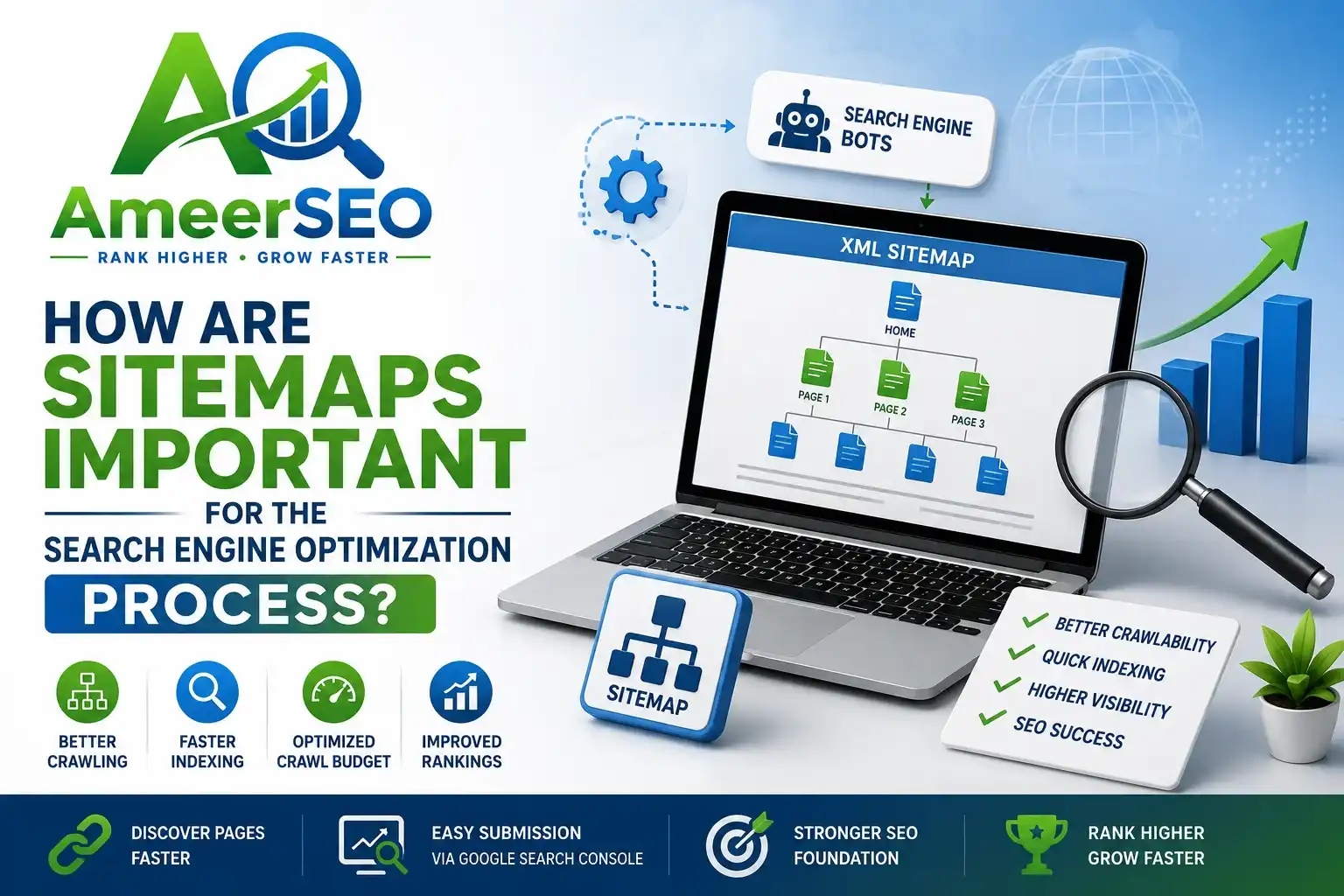
How Are Sitemaps Important for the Search Engine Optimization Process?
In the modern digital landscape, businesses and website owners constantly compete for better visibility on search engines. Whether you run a blog, an eCommerce store, or a corporate website, appearing in Google search results can significantly influence your traffic, leads, and revenue. One essential yet often overlooked aspect of technical SEO is the sitemap. Many people focus heavily on keywords, backlinks, and content creation while ignoring the importance of proper website indexing and crawlability. Understanding how are sitemaps important for the search engine optimization process can help improve your website’s visibility and make it easier for search engines to discover your content.
A sitemap acts as a roadmap for search engines. It helps search engine bots understand the structure of your website and locate important pages quickly. Without a sitemap, some pages may remain undiscovered, especially on large or newly launched websites. This can negatively impact your organic search visibility and reduce your chances of ranking well.
Understanding What a Sitemap Is
A sitemap is a file that contains a list of URLs on your website. It provides information about pages, videos, images, and other content that search engines need to crawl and index. XML sitemaps are the most commonly used format for SEO because they are specifically designed for search engine crawling.
An XML sitemap includes important details such as the last updated date of a page, the frequency of changes, and the priority level of URLs. This information helps search engines determine how often pages should be crawled and indexed.
There is also an HTML sitemap, which is primarily created for users to navigate a website easily. While HTML sitemaps can improve user experience and website navigation SEO, XML sitemaps play a more direct role in technical SEO and indexing optimization.
Why Sitemaps Matter for SEO
Search engines like Google use bots to crawl websites and discover content. These bots move from one page to another through internal links. However, if your website has poor internal linking or hidden pages, some content may not be discovered efficiently. This is where sitemap optimization becomes essential.
A sitemap improves search engine crawling by giving bots direct access to all important URLs. Instead of relying solely on links, search engines can use the sitemap as a guide to locate pages quickly. This enhances the website indexing process and ensures that valuable content appears in search engine results.
Websites with hundreds or thousands of pages benefit significantly from XML sitemap SEO strategies because search engines can organize and prioritize content more effectively. Even smaller websites can improve search engine accessibility by implementing proper sitemap submission SEO practices.
How Search Engines Use Sitemaps
When you submit a sitemap through Google Search Console, search engines analyze the URLs listed in the file. Googlebot uses this information to discover pages and understand your website hierarchy SEO structure.
Search engines consider multiple factors while crawling websites. They examine how frequently pages are updated, whether URLs are canonical, and if there are indexing restrictions. Sitemaps simplify this process by presenting structured information directly to search engine bots.
For example, if you publish new blog posts regularly, a dynamic XML sitemap automatically updates with fresh URLs. This helps Google discover new content faster and improves the chances of quicker indexing.
Search engines also use sitemaps to identify orphan pages. These are pages that are not linked internally from other parts of the website. Without a sitemap, orphan pages may never appear in search results because search engine bots cannot easily find them.
The Role of Sitemaps in Technical SEO
Technical SEO focuses on improving a website’s infrastructure so search engines can crawl and index it efficiently. Sitemaps are one of the foundational components of technical SEO sitemap optimization.
A well-structured sitemap helps improve crawl efficiency. Search engines allocate a certain crawl budget to each website, which refers to the number of pages bots crawl during a specific timeframe. Poorly organized websites may waste crawl budget on duplicate or irrelevant pages.
By using sitemap best practices, website owners can guide search engines toward high-priority content. This ensures that important pages are indexed faster while reducing unnecessary crawling of duplicate URLs or outdated pages.
Sitemaps also help websites with complex structures. Large eCommerce stores, for instance, may have thousands of product pages spread across multiple categories. An XML sitemap for search engines helps bots understand the relationship between these pages and improves indexing accuracy.
Comparison Between Websites With and Without Sitemaps
| Feature | Website With Sitemap | Website Without Sitemap |
|---|---|---|
| Search engine crawling | Faster and more organized | Slower and inconsistent |
| Website indexing | More efficient indexing | Some pages may remain undiscovered |
| Crawl budget optimization | Better crawl management | Crawl budget may be wasted |
| New content discovery | Quick indexing of updates | Delayed indexing |
| Technical SEO performance | Stronger SEO structure | Weak crawlability |
| Search engine visibility | Higher visibility potential | Lower visibility potential |
| Large website management | Easier for search engines | Difficult for bots to navigate |
| Orphan page discovery | Easier detection | Pages may remain hidden |
Benefits of XML Sitemaps for SEO
One major advantage of XML sitemap optimization is improved indexing. Search engines can easily locate and process URLs, which increases the likelihood of appearing in search results.
Another benefit is faster discovery of updated content. Websites that frequently publish articles, products, or news updates need search engines to index changes quickly. XML sitemaps notify search engines about fresh content, improving visibility.
Sitemaps also support multimedia SEO. Websites containing videos and images can include specialized sitemap extensions that help search engines understand media content better. This can improve rankings in image search and video search results.
Websites with poor internal linking structures also benefit from sitemaps because they provide direct pathways to important pages. This improves overall website crawlability and indexing optimization.
How Sitemaps Improve Crawl Budget Optimization
Crawl budget optimization is essential for large websites. Search engines do not crawl every page instantly, especially on websites with thousands of URLs. If bots spend too much time crawling duplicate or low-value pages, important content may not get indexed quickly.
A sitemap helps prioritize URLs and guides search engines toward valuable pages. This improves the efficiency of search engine crawling and ensures critical pages receive attention first.
For example, an online store may want category pages and best-selling products indexed immediately. By organizing these URLs within a sitemap, search engines can focus on high-priority sections of the website.
Effective crawl budget management also reduces server strain because bots spend less time accessing unnecessary pages. This contributes to a smoother crawling process and improved SEO performance optimization.
Sitemap Best Practices for Better SEO
Creating a sitemap is not enough; proper optimization is equally important. One essential practice is ensuring that only indexable URLs are included in the sitemap. Pages blocked by robots.txt or marked with noindex tags should not appear in the sitemap.
Another important practice is maintaining accurate and updated sitemaps. Outdated URLs can confuse search engines and negatively impact crawlability. Dynamic XML sitemaps are useful because they update automatically whenever new content is added.
Submitting the sitemap to Google Search Console is also crucial. This allows website owners to monitor indexing status, detect errors, and identify crawl issues. Google Search Console sitemap tools provide valuable insights into website indexing performance.
Websites should also avoid creating excessively large sitemaps. Google recommends limiting each sitemap file to 50,000 URLs or 50MB in size. Large websites can use sitemap indexes to organize multiple sitemap files efficiently.
Common Sitemap Errors That Affect SEO
Many websites make mistakes while implementing sitemaps. One common issue is including broken URLs. When search engine bots encounter errors, crawl efficiency decreases, and indexing problems may arise.
Another problem is listing redirected URLs in the sitemap. Search engines prefer direct URLs rather than redirected versions because redirects waste crawl budget and slow down indexing.
Duplicate content in sitemaps can also create confusion for search engines. Website owners should ensure canonical URLs are used consistently.
Improper formatting is another technical issue. XML syntax errors can prevent search engines from reading the sitemap correctly. Regular sitemap validation helps identify and fix these issues quickly.
HTML Sitemaps and User Experience
Although XML sitemaps are designed for search engines, HTML sitemaps benefit users by improving website navigation. Visitors can use HTML sitemaps to locate pages quickly, especially on websites with large content libraries.
Improved navigation contributes to better user engagement and reduced bounce rates. When users can easily find relevant information, they are more likely to stay longer on the website.
HTML sitemaps also support internal linking strategies. By linking important pages together, websites strengthen their overall SEO architecture and improve search engine accessibility.
Sitemaps for Different Types of Websites
Different websites require different sitemap strategies. Blogs with frequent updates benefit from dynamic XML sitemaps that automatically include new posts. This ensures faster indexing of fresh content.
eCommerce websites often require category-based sitemaps because of the large number of product pages. Organizing products logically improves crawl efficiency and indexing accuracy.
News websites use specialized news sitemaps that help Google discover breaking stories quickly. These sitemaps support rapid indexing and increase visibility in Google News.
Media-rich websites can use image and video sitemaps to improve multimedia indexing. This helps search engines understand visual content and display it in relevant search results.
The Future of Sitemap Optimization
As search engine algorithms become more advanced, technical SEO continues evolving. However, sitemaps remain a critical component of website indexing optimization.
Artificial intelligence and machine learning now influence how search engines interpret website structures. Despite these advancements, search engines still rely on organized data to discover and prioritize content effectively.
Future sitemap strategies may include more advanced metadata and enhanced integration with structured data. Websites that maintain proper sitemap optimization will continue benefiting from improved crawlability and search engine visibility.
SEO professionals increasingly recognize the importance of combining content optimization with technical SEO strategies. Agencies and experts such as Ameer SEO often emphasize the value of strong website architecture and sitemap implementation as part of a comprehensive SEO approach.
Conclusion
Understanding how are sitemaps important for the search engine optimization process is essential for anyone seeking better online visibility. Sitemaps improve search engine crawling, enhance website indexing, and optimize crawl budget usage. They help search engines discover new content quickly while ensuring important pages receive proper attention.
Whether you operate a small blog or a large eCommerce platform, implementing XML sitemap SEO strategies can strengthen your technical SEO foundation. Sitemaps improve search engine accessibility, support better indexing, and contribute to long-term SEO success.
A properly optimized sitemap acts as a communication bridge between your website and search engines. By following sitemap best practices, monitoring performance through Google Search Console, and maintaining updated URL structures, website owners can improve search visibility and maximize organic traffic growth.
FAQs
What is a sitemap in SEO?
A sitemap is a file that lists all important pages of a website to help search engines crawl and index content more efficiently. XML sitemaps are commonly used for technical SEO and website indexing optimization.
Why are sitemaps important for SEO?
Sitemaps improve search engine crawling and help search engines discover pages faster. They also support better website indexing, improve crawl budget optimization, and increase search engine visibility.
What is the difference between XML and HTML sitemaps?
An XML sitemap is designed for search engine bots and helps with indexing. An HTML sitemap is created for website visitors to improve navigation and user experience.
How do I submit a sitemap to Google?
You can submit a sitemap through Google Search Console. Simply add your sitemap URL in the Sitemap section to help Google discover and crawl your pages more effectively.
Do small websites need sitemaps?
Yes, small websites can also benefit from sitemaps. Although search engines may find pages through internal links, a sitemap ensures all important URLs are discovered and indexed properly.
Can a sitemap improve search rankings?
A sitemap does not directly increase rankings, but it improves crawlability and indexing. Better indexing can help search engines understand your website structure and improve overall SEO performance.
How often should a sitemap be updated?
A sitemap should be updated whenever new pages are added, removed, or modified. Dynamic XML sitemaps automatically update, making them ideal for websites with frequent content changes.
What are common sitemap errors?
Common sitemap issues include broken URLs, redirected pages, duplicate content, incorrect formatting, and including non-indexable pages. These problems can negatively affect search engine crawling.
What is crawl budget optimization?
Crawl budget optimization refers to helping search engines use their crawling resources efficiently. Sitemaps guide bots toward important pages and reduce unnecessary crawling of duplicate or low-value URLs.
Are sitemaps necessary for eCommerce websites?
Yes, eCommerce websites greatly benefit from sitemaps because they often contain thousands of product pages. Sitemaps help search engines crawl and index these pages more effectively.
How do sitemaps help new websites?
Sitemaps help newly launched websites get indexed faster by providing search engines with direct access to important pages and content structures.
Can sitemaps include images and videos?
Yes, specialized image and video sitemaps can be created to help search engines understand multimedia content and improve visibility in image and video search results.